'%3e%3crect%20x='0'%20y='0'%20width='64'%20height='64'%20fill='%23f1f8fb'/%3e%3c!--%20crescent%20--%3e%3cg%3e%3ccircle%20cx='45.5'%20cy='17'%20r='5.2'%20fill='%237abbd2'/%3e%3ccircle%20cx='43.4'%20cy='15.7'%20r='4.6'%20fill='%23f1f8fb'/%3e%3c/g%3e%3c!--%20green%20slope%20(right)%20--%3e%3cpath%20d='M30%2062%20L48%2026%20L64%2056%20L64%2062%20Z'%20fill='%233b6675'/%3e%3c!--%20teal%20mountains%20--%3e%3cpath%20d='M2%2060%20L20%2024%20L33%2046%20L26%2060%20Z'%20fill='%232f7f80'/%3e%3cpath%20d='M18%2060%20L33%2014%20L50%2060%20Z'%20fill='%233f9497'/%3e%3cpath%20d='M36%2060%20L48%2024%20L62%2060%20Z'%20fill='%232f7f80'/%3e%3c!--%20snow%20caps%20--%3e%3cpath%20d='M33%2014%20L27.5%2030%20L33%2026%20L38.5%2030%20Z'%20fill='%23e9edee'/%3e%3cpath%20d='M48%2024%20L44%2036%20L48%2033%20L52%2036%20Z'%20fill='%23e9edee'/%3e%3cpath%20d='M20%2024%20L16.5%2033%20L20%2030.5%20L23.5%2033%20Z'%20fill='%23e9edee'/%3e%3c!--%20winding%20trail%20--%3e%3cpath%20d='M22%2063%20C%2022%2052,%2034%2050,%2034%2040%20C%2034%2032,%2026%2030,%2030%2022%20C%2032%2018,%2036%2017,%2038%2013'%20fill='none'%20stroke='%23eff7fb'%20stroke-width='6.5'%20stroke-linecap='round'/%3e%3c!--%20hiker%20--%3e%3cg%20fill='%231c4f55'%3e%3ccircle%20cx='30.2'%20cy='30.2'%20r='2'/%3e%3cpath%20d='M28.6%2033%20h3.4%20l1%207%20h-1.8%20l-0.9-4%20-0.9%204%20h-1.8%20z'/%3e%3crect%20x='26.7'%20y='33.2'%20width='2.4'%20height='4.3'%20rx='1'/%3e%3cpath%20d='M32.4%2032.6%20l3.2%203.4%20-1.1%201%20-3.1-3.3%20z'/%3e%3crect%20x='35.1'%20y='30'%20width='1.1'%20height='10'%20rx='0.5'/%3e%3c/g%3e%3c/g%3e%3ccircle%20cx='32'%20cy='32'%20r='29'%20fill='none'%20stroke='%2312484f'%20stroke-width='4'/%3e%3c/svg%3e)
Fitness does not prevent altitude illness
Low oxygen affects people differently, and strong walkers can still develop acute mountain sickness. Nepal Tourism Board advises that feeling unwell above 2,500 m should be treated as possible AMS until proven otherwise. Early symptoms include headache, loss of appetite, nausea, unusual fatigue and dizziness.
The safest response is behavioural: do not climb higher while symptoms are present. Rest at the same elevation, tell the guide and monitor the situation. If symptoms worsen, descend with help and seek medical care. Confusion, difficulty walking normally, severe breathlessness at rest or a severe worsening headache are emergencies.
The itinerary is part of the safety system
Acclimatisation requires time. The CDC recommends gradual ascent and, once above 3,000 m, limiting increases in sleeping altitude to about 500 m per day with an extra acclimatisation night for each additional 1,000 m gained. These are planning guidelines, not a promise that a pace is safe for every person.
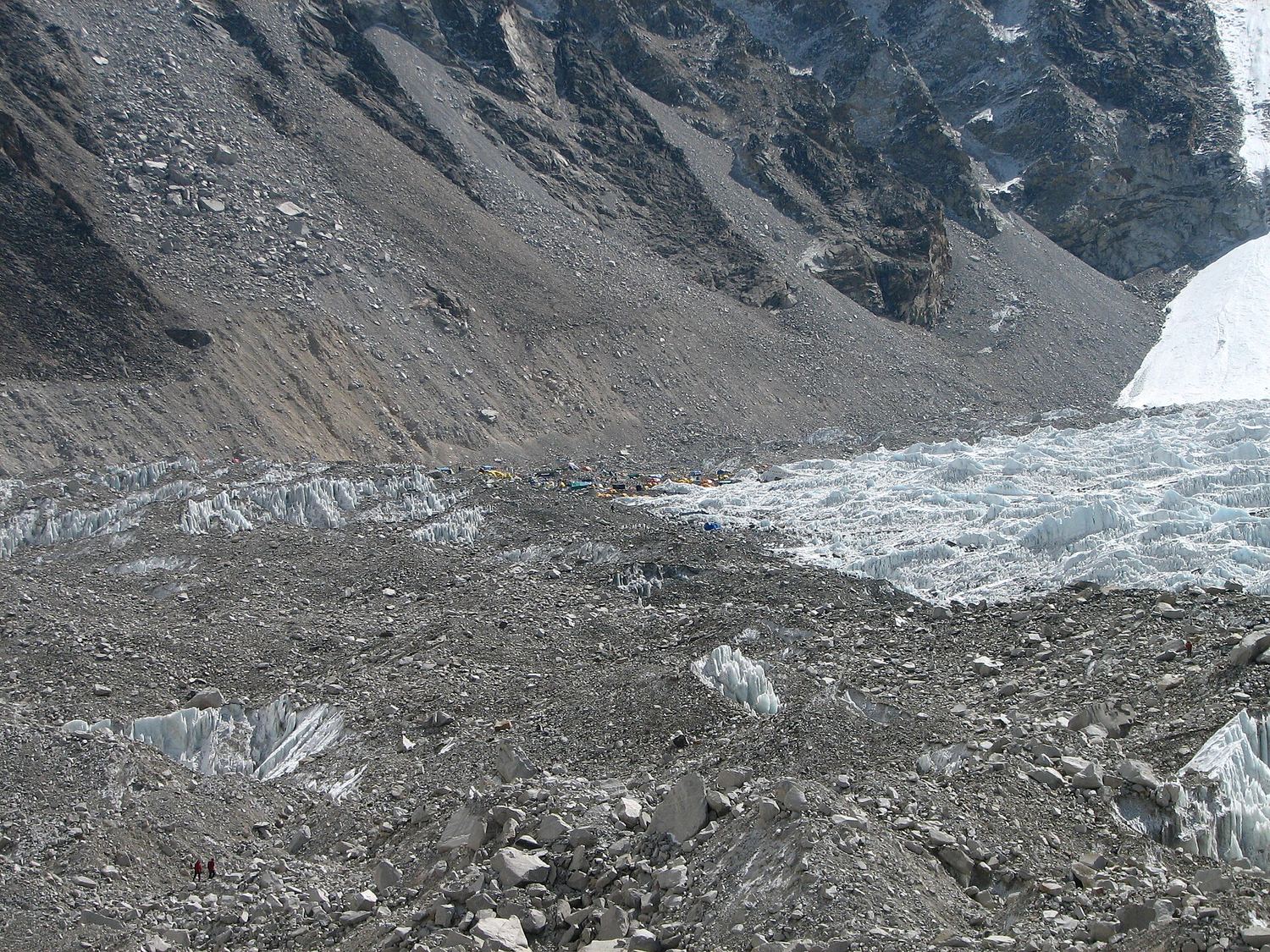
An acclimatisation day is not a wasted day. A controlled walk followed by sleep at the same altitude can help the body adjust and gives the team time to notice symptoms before moving higher. Routes such as Everest Base Camp should include more than one acclimatisation stop.
Prepare before Nepal
Discuss high-altitude travel with a qualified clinician, especially if you have heart or lung disease, take regular medicine, are pregnant or have had altitude illness before. Do not use a website or another trekker’s prescription as a medication plan. Carry insurance suitable for the route, including the evacuation method and maximum altitude involved.
Save the Tourist Police and agency emergency numbers offline. On the trail, clear decisions and early descent are more valuable than forcing the schedule.